Cart
0
You may also like

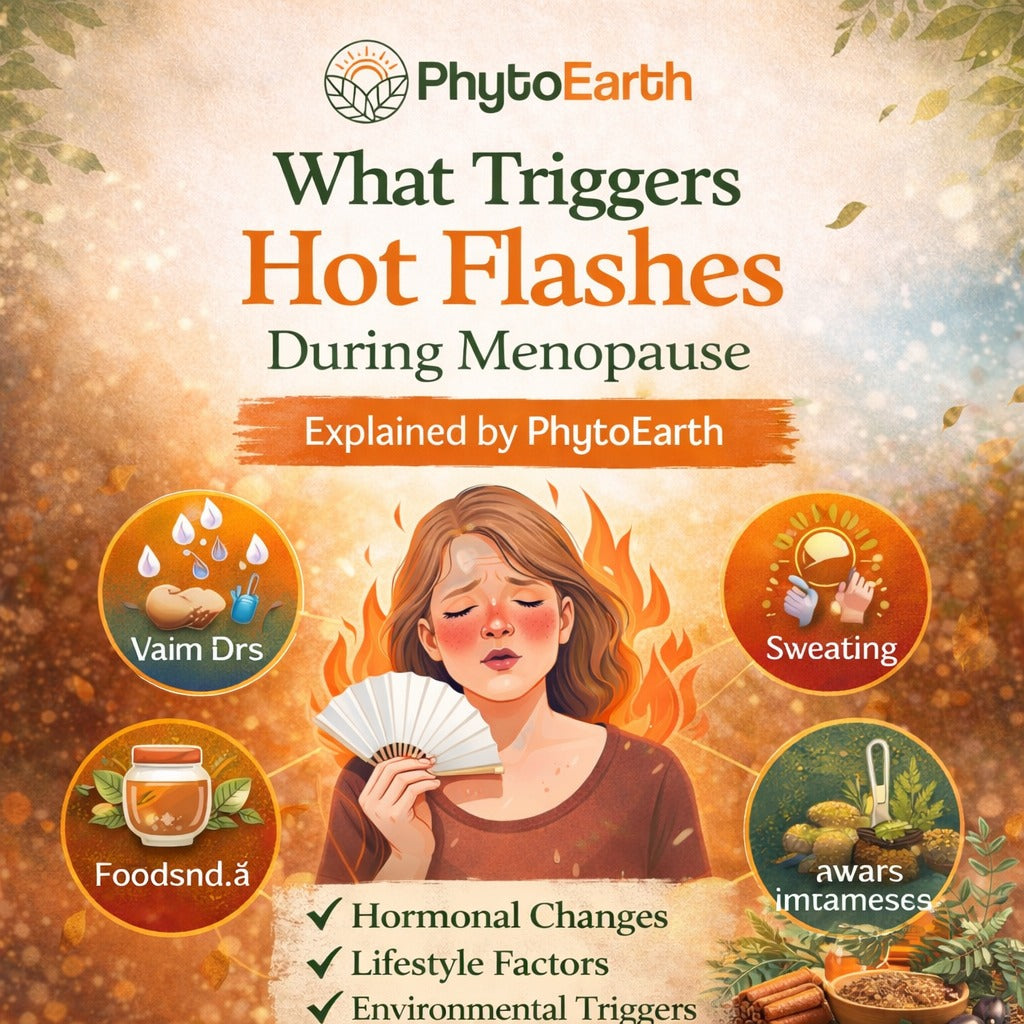
Hot flushes can be regarded as one of the most discussed and, at the same time, misunderstood symptoms of menopause. They enter suddenly and disappear quickly to other women. They take several years to live without sleep, confidence and comfort in day to day living. Ever wondered what triggers hot flashes during menopause, it is a combination of hormones, the nervous system, lifestyle and environmental stimuli that cause the effect.
Hot flashes commonly do not just happen randomly but tend to have patterns. The initial process to the successful management of these patterns is to understand them. In this guide, we will discuss the causes of hot flashes, the most common causes of hot flushes as well as the use of natural lifestyle and herbal aids as means to reduce the intensity of hot flashes with time.
Hot flash is an abrupt feeling of a heat over the face, neck, and upper body. This can be accompanied with sweating, flushing, an elevated heart rate, or even chills later on. Those episodes are medically categorized as vasomotor symptoms, i.e., the increase and narrowing of blood vessels.
The primary cause of hot flushes is hormonal variation that is primarily the change in the levels of estrogen. The levels of estrogen do not decline steadily throughout the period of perimenopause and menopause, they rise and fall in an erratic manner. These alterations also affect the temperature detecting center in the brain also known as the hypothalamus.
Warmth could be warmer than it would be with an estrogen change as the hypothalamus would be more accurate in detecting minute temperature changes. Sweating away heat- cold skin - may begin with no actual overheating, simply because of the cross-cues of hormonal change.
Though hormonal instability forms the basis, triggers are amplifiers. No matter how often it is that hot flashes are triggered, it can be significantly reduced by identifying such triggers.
There are food and beverages that activate the nervous system or raise the body heat which do prefer hot flushes.
Hot foods that are hot internally.
Caffeine is an activator of the nervous system.
Alcohol, a dilator of blood vessels.
White sugar that leads to blood sugar spikes.
Not all women respond in the same manner, but most women will experience more hot flashes soon after eating these products. A journal on food-symptom can be used to bring out individual sensitivities.
Stress can be considered one of the most undervalued causes of hot flashes at menopause. The emotional stress increases the amount of cortisol that is directly related to blood sugar, inflammation, and thermoregulation.
In the state of the nervous system being constantly in the fight-or-flight mode, the body is more sensitive to changes in hormones. Hot flashes may also be experienced in advance, even when there may not be any apparent precursors such as anxiety, frustration, and emotional overload.
This is the reason why hot flashes usually happen:
High-pressure situations
Emotional conversations
Bouts of intense anxiety or exhaustion of the mind.
There is also external temperature, but not only hot weather.
Examples of environmental triggers are:
Poorly ventilated warm rooms.
Heavy bedding at night
Synthetic or tight clothing
Sudden temperature changes
Hot flashes in women occur at night (often referred to as night sweats) as body temperature does vary at night, and hormonal instability intensifies this reaction.
The resilience of the body on the changes in the hormones is influenced by habits which are routinely practiced.
Hot flashes can be caused by lifestyle elements such as:
Poor or inconsistent sleep
Sedentary routines
Irregular meal timing
The most prevalent of them is the deprivation of sleep that changes hormones and increases stress hormones such that hot flashes are bad due to sleep and bad sleep is bad due to hot flushes.
The menopausal phases are not all the same. It is good to know in which stage of the transition you are in to understand why triggers change.
Perimenopause: It is a radical fluctuation of the estrogen levels. Hot flushes normally tend to be unpredictable and may also be triggered by emotional stress or a sudden change of the diet.
Postmenopause: The intensity of hormones slows down and has a stabilization rate. The provoking factors include increased sensitivity to stress, quality of sleep, and metabolic well-being.
This is why the number of hot flashes that women are going through reduces with time, whereas others observe new patterns appearing later
Yes. The causes of hot flushes are not constant. The body becomes sensitive to the changes in hormones, and depending on the lifestyle and stress levels, it may become more or less sensitive.
Many women find that:
Frequency is reduced through awareness of triggers.
Stability is achieved through regular practices.
Mild lifestyle changes provide relief in the long run.
The idea is not to eliminate all of the triggers but to make the overall reactivity less.
Understanding what triggers hot flashes during menopause also empowers women to choose natural strategies that lower the body’s sensitivity to hormonal fluctuations rather than simply reacting to symptoms.
Proper nutrition stabilizes the blood sugar and decreases inflammatory pressure of the nervous system.
Beneficial dietary principles are:
Emphasizing the use of whole, unprocessed food.
Eating of good fats and adequate fiber.
Limiting sugar and stimulants.
Staying well hydrated
Light-side meals, fruit, and veggies that are fresh chill quicker and store better. The thickly stuffed dishes with spices are more difficult to cool down, to maintain.
As stress is one of the significant triggers, it is necessary to relax the nervous system.
The practices that are effective are:
Slow breathing exercises
Gentle yoga or stretching
Meditation or mindfulness
Spending time in nature
The practices help in reducing the quantity of cortisol and increasing the capacity of the body to react to hormonal changes.
Hot flashes are exacerbated by sleep disturbances forming a feedback loop.
Good sleeping behaviors include:
Having a regular bedtime.
Having the bedroom cool and dark.
Eschewing screens at bedtime.
Using breathable bedding
Sleep restoratively helps in the regulation of hormones as well as enhancing energy in the daytime.
Traditional medicine has long known that menopause is a transitional stage that needs nourishment and balance rather than suppression.
The herbs applied in menopausal support normally concentrate on:
Non-hormonal regulation (modulation)
Nervous system calming
Stress resilience
Supporting thermoregulation
In contrast to drugs, herbs are slow acting and more effective when taken regularly as a component of a wellness program.
Such a philosophy is close to the practice of PhytoEarth that is focused on blending the traditional knowledge of herbs and the current quality standards. The usage of their formulations is meant to augment lifestyle modification and not to substitute individual responsibility and health care.
The Ayurvedic and holistic practices have a number of herbs, which are traditionally used in the management of menopausal comfort:
Shatavari: This is traditionally regarded as the female hormonal balancing.
Ashwagandha: Ashwagandha assists in the management of stress and sleep quality.
Lodh: Hormonal balancer
Brahmi: Relaxing to the nervous system.
Gulab (Rose): Semiotically soothing.
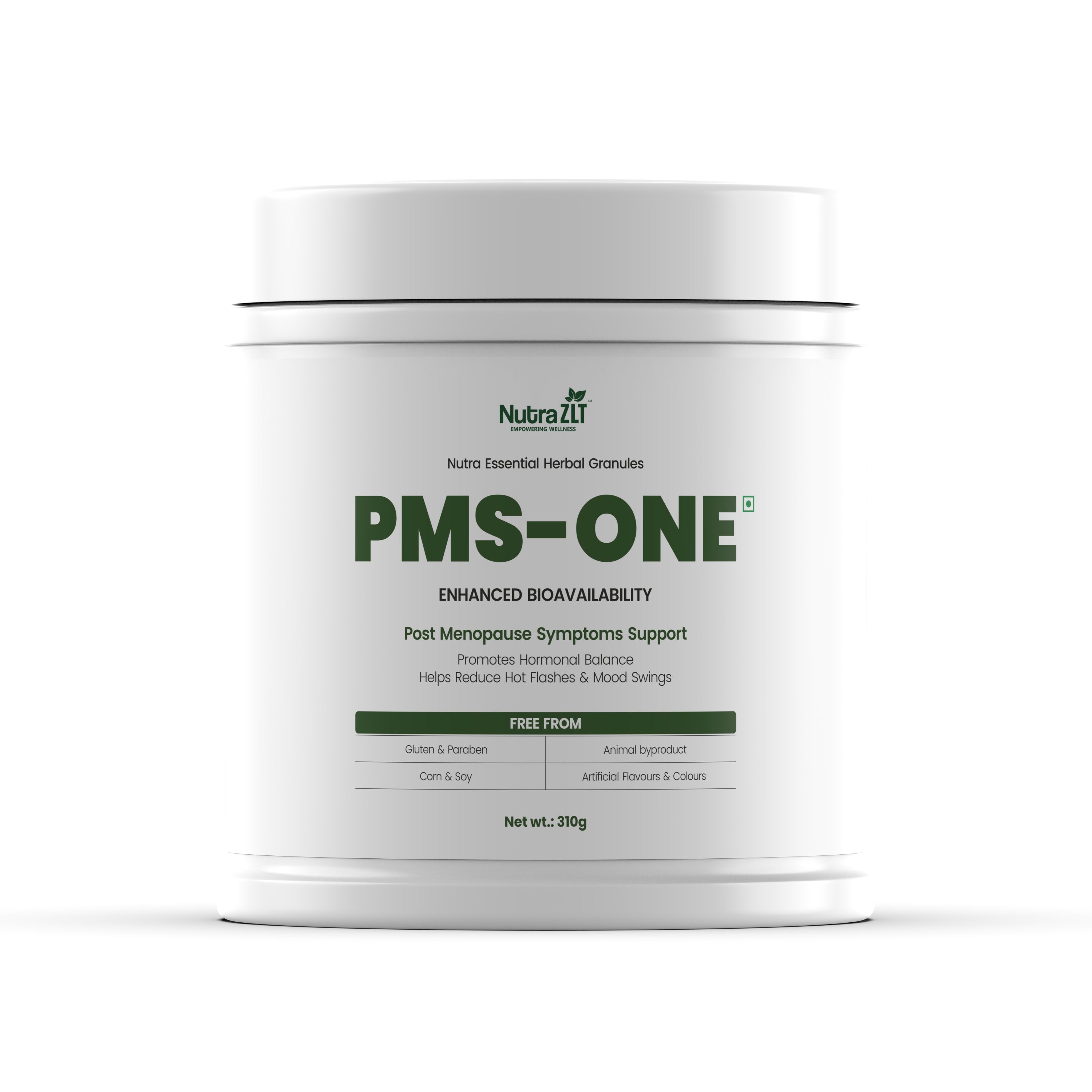
These herbs are usually used together in balanced formulations to deal with several triggers at the same time. PMS-One and other products are structured using this multi-support strategy; they aim at overall menopausal comfort instead of symptom suppression.
Natural does not imply risk averse. It needs to be used responsibly.
General guidelines include:
Selecting quality, tested formula.
Avoiding excessive dosages
Healthcare providers should be consulted during medication.
A visit to a doctor matters most if someone feels really unwell or has been told they’re sick. Herbs might help, yet never take their place
Women who:
At early or middle menopause stage.
Suffer hot flushes due to stress.
Favor prophylaxis, lifestyle care.
Demand permanent equilibrium not immediate solutions.
It is important that it is consistent and patient. Benefits are slow to manifest themselves, and the body becomes adapted.
Reality: They tend to have recognizable patterns and stimuli.
Reality: The support of Herbal is slow and cumulative.
Reality: This is a direct factor which determines the body response to the previously altered hormones.
The timeframes are different, though most women report:
Noticeable changes in comfort in a few weeks.
Improved sleep and decrease in intensity during months.
Stabilization through routine routines.
Daily fluctuations should be put into the back seat and trends on the frontline, which in the long run is more sustainable.
Alignment, as opposed to isolated solutions, is the true source of menopausal comfort. Diet, exercise, stress management, sleep and supportive herbs are most effective when used in combination.
Natural support strategies assist the body in self regulation instead of compelling change. Products such as PMS-One can be incorporated into this framework as a complete solution with the holistic approach to help given the gentle support, and promoting healthy habits in a person on an everyday basis.
When menopause causes hot flashes, the knowledge of what causes them makes frustration turn to clarity. Hot flashes cannot be considered a failure or a fightable task, but the body must attract attention towards the imbalance.
Many women will be in a better position to make this transition and be in control and confident with the help of identifying triggers, lifestyle pattern changes, and using supportive natural tools in a responsible manner.
Having a holistic traditionally oriented philosophy based on modern knowledge, PhytoEarth is still helping women using natural wellness methods that acknowledge the wisdom of the body. Combined with consciousness, continuity, and self-care, menopause can turn out to be a period of rejuvenation instead of irregularity.