Cart
0
You may also like


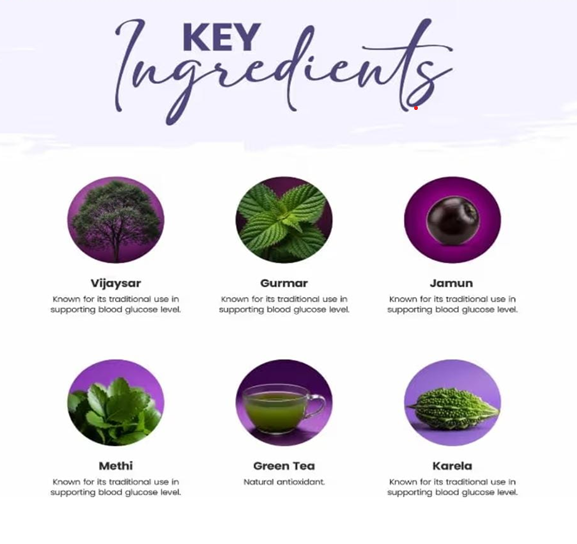
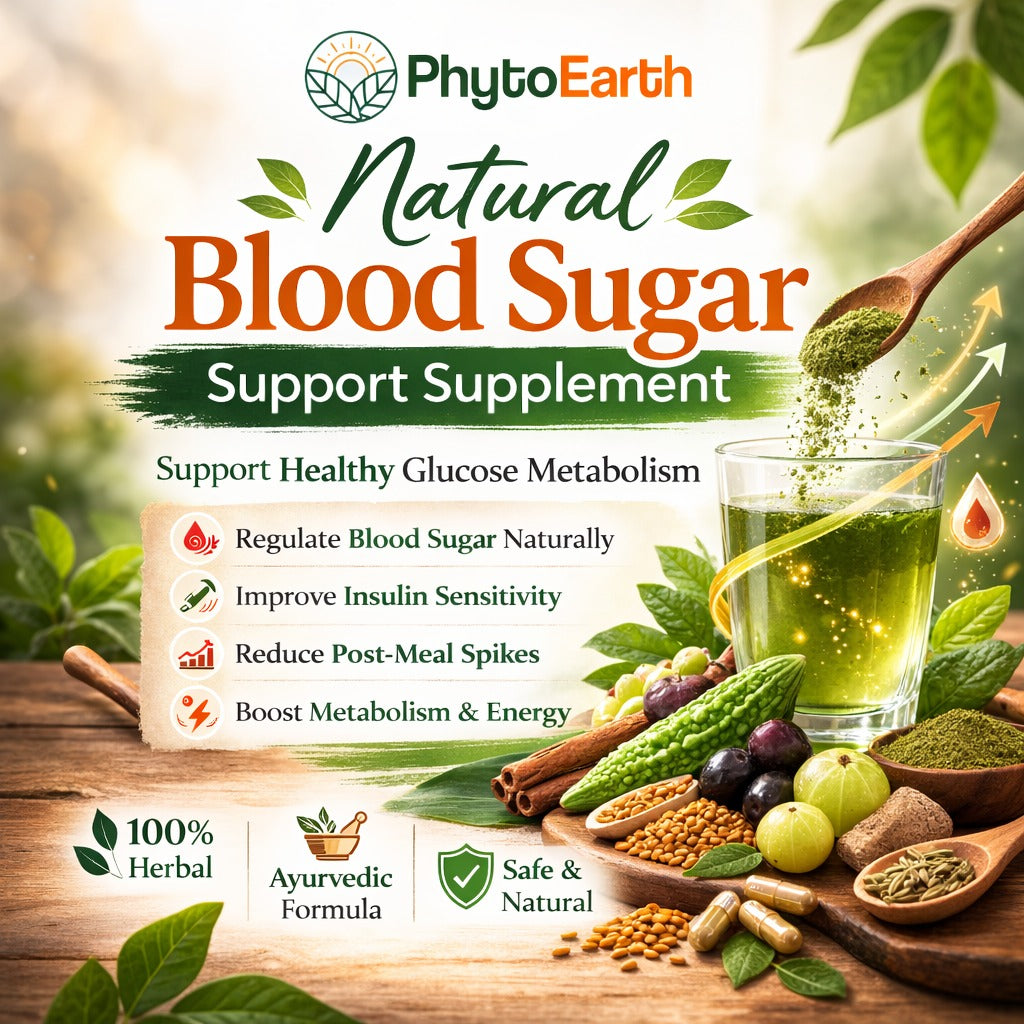
In the health-conscious society of today, it is very important to know the contents of your supplements. We at Phytoearth are of the opinion that awareness is the way to go — since being familiar with your ingredients is the only way to build complete trust in your consumption. With the help of our “Know Your Herb” series, we are showing the scientific basis of our key formulations. This week, we have DiabeSutra – Scientific Herbal Formula, which is a mixture that comes from Ayurveda but has also been approved by modern science, as our highlight. The blend is intended to support healthy glucose metabolism, energy balance, and antioxidant protection and consists of such time-proven herbs as Vijaysar, Gurmar, Jamun, Methi, Karela, Green Tea, Amla, Acacia catechu, Cumin, and Fennel.

Vijaysar tree, the “Miracle Tree for Diabetes” by its common name, has been Ayurvedic medicine's major source for metabolic disorders. The three main active compounds in it — pterostilbene, marsupsin, and epicatechin — are all essential in the process of insulin sensitivity and glucose use by cells.Clinical trials have shown that Pterocarpus extracts have resulted in changes such as fasting and postprandial glucose, HbA1c, and lipid peroxidation decreased significantly. Pterostilbene, which is somewhat similar to resveratrol in structure, affects AMPK pathways and helps GLUT4 translocation — the same mechanisms that are also targeted by metformin, a conventional anti-diabetic drug (Chandrasekaran et al., 2022).
quite rightly, called “Madhunashini,” or “Sugar Destructor,” is a traditional Ayurvedic plant which excels in taming the taste of sweetness and helping the pancreas. gymnemic acids, which are its main active phytoconstituents, imitate glucose molecules and thus get hold of intestinal receptors, which in turn, leads to blocking sugar absorption in the gut. In both animal and human trials, Gymnema supplementation has been linked with the rejuvenation of pancreatic β-cells, insulin secretion boost, and decline in both fasting and postprandial blood glucose levels. Besides that, it has a positive impact on lipid metabolism by decreasing triglyceride and LDL cholesterol levels which in turn supports better heart health among diabetes patients (Baskaran et al., 1990).
The name Jamun or Indian blackberry has a long association with Ayurveda as a treatment for Madhumeha. It is the seeds that are the source of a major part of the antioxidants in the Jamun tree: anthocyanins, ellagic acid, and jamboline – which all together form a strong defense line and prevent the β-cells of the pancreas from being annihilated through oxidative stress that is, stopping one of the primary factors of the development of insulin resistance.During the trials, it was confirmed that extracts from the Jamun seeds not only bring down blood sugar levels and glycated hemoglobin but also the libera. Besides, they cause a shake-up in the body's antioxidant enzyme activity. The polyphenols participating in this process are proving to be very potent as they literally stop the action of α-glucosidase, thus, slashing the rate of carbohydrate breakdown and giving the glucose rising less tilt after the meal (Shaikh & Patel, 2024).
Methi or fenugreek seeds have the highest content of soluble fiber (galactomannan) paired with the alkaloid trigonelline and these two substances act together by slowing down the carbohydrate digestion and improving insulin's function. Residing fiber diet elongates the stomach's emptying time, thus resulting in a less pronounced rise in blood sugar after eating. Furthermore, fenugreek illustrates the PPAR-α activation, thus leading to fat burning increase and insulin sensitivity improvement. There was a study done with diabetic patients, which showed that the ones ingesting 10g of fenugreek powder daily had their levels of fasting blood glucose, serum insulin, and total cholesterol dropping (Tayo & Sison, 2022).
Karela or bitter melon comprises three insulin-like peptides—charantin, vicine, and polypeptide-P—having a direct hypoglycemic effect. The compounds under consideration increase glucose availability to the body by fat and muscle tissues, while at the same time, liver gluconeogenesis is fostered up to a certain level.Karela, on the other hand, activates the AMPK enzyme, leading to an increase in energy overall and faster burning of fat, a process that is very important for maintaining good metabolism. It has been shown in clinical studies that people consuming Karela extract regularly had their fasting glucose and HbA1c levels significantly lower (Tripathi & Chandra, 2023).
Diabasutra receives a new nutritional advantage from the presence of green tea. It contains a significant amount of epigallocatechin gallate (EGCG) and catechins which together will improve the body's ability to use insulin, lower the amount of glucose derived from the liver, and relieve oxidative stress which is one of the main causes of insulin unresponsiveness.EGCG promotes the PI3K/Akt pathway thus making glucose uptake easier. Regular intake of green tea has been linked to benefiting metabolic condition and cutting down on diabetes-related complications (Suzuki & Miyoshi, 2014).
Amla, which is also called the Indian Gooseberry, is the most prominent Rasayana along with others in Ayurvedic healing and has the first place among the rejuvenating and antioxidant properties. This small fruit contains a plethora of vitamin C and polyphenols which in turn neutralize the free radicals and prevent the pancreas from being damaged by oxidation. According to many studies, amla consumption shows a decline in the level of blood glucose, cholesterol and the inflammatory markers (Kumar & Singh, 2022).
Brahmi, which is a cognitive enhancer, supports the restoration of the neuroendocrine axis to its healthy condition through its influence on cortisol and by promoting focus.The main component, bacoside A, is credited for improved neuron communication and thus, greater clarity of thought; hence, it becomes an integral component of complete wellness for diabetes patients, where mental health is synonymous with control of metabolism (Pase et al., 2015).
Coriander, cumin (jeera), and fennel (saunf) are gut health essentials, which is the primary factor regulating glucose metabolism. The volatile oils of these herbs — linalool, cuminaldehyde, and anethole among others — are the main reason for their carminative, anti-inflammatory, and prebiotic effects. Usage of this triple combination is quite effective to eliminate problems such as indigestion, flatulence and bloating, especially for metformin users, where it works by moving the stomach contents quicker and giving less discomfort in the intestines. On top of that, minerals that these herbs provide, such as magnesium and iron are essential for the right functioning of metabolic enzymes (Laribi et al., 2022).
Khadira is a powerful herbal medicine rich in catechins and tannins and these substances can eliminate toxins from the body along with supporting the liver's function and also the reduction of oxidative damage which is one of the factors that cause death. There have been a lot of scientific studies that have proven the fact that Acacia catechu extract has an impressive liver protecting property by the way of increasing the amounts of antioxidant enzymes (for example, superoxide dismutase and catalase) and reducing the oxidation of liver fats. Hence, the extract keeps the liver enzymes in a good and brisk condition, which is particularly helpful for the patients that are on long-term treatment like metformin (Lakshmi, Renukadevi, & Murthy, 2018). Flaxseed is made up of ALA and lignans which are extremely potent anti-inflammatory and antioxidant compounds. The findings of clinical studies indicate that flaxseed improves the metabolic state in the body, lowers the levels of triglycerides, and maintains a healthy heart, which is a major concern in diabetes (Abdel-Moneim et al., 2023).
Diabasutra is not merely an assortment of single herbs; rather it is a well-designed synergy in which different herbs along with the main ingredient work, so instead of using one "hero" ingredient, the formula unites herbs that work on different characteristics at the same time.
Suggested Dosage: Take 5 gm of DiabeSutra powder added to a glass of 200 ml of lukewarm water and consume early morning and in evening or consult your general physician for better results.
Diabasutra is beyond just a “blood-sugar powder” — it’s a carefully crafted combination of centuries-old Ayurvedic practices and modern nutrition research. For the customer wanting reliable, clean-label support, the thorough explanation above provides transparency and confidence. Being a nutritionist, I suggest that it be used in conjunction with lifestyle changes (diet, exercise, sleep) and prior medication to achieve the best results — the herbs help, but the basic habits are the ones that make it happen.DiabeSutra is a nutraceutical that comes with the scientific backing, and it is not a substitute for your medication that has been prescribed, rather a natural support for the metabolism and wellness of the body.
Written by:
Vidhi Kohli
Nutrition & Dietetics Professional (in training)
Sources
· Lakshmi, T. L., Renukadevi, R., & Murthy, K. (2018). Seed and bark extracts of Acacia catechu protects liver from acetaminophen induced hepatotoxicity by modulating oxidative stress, antioxidant enzymes and liver. https://doi.org/10.5555/20193292994