Cart
0
You may also like


Perimenopause/Postmenopause syndrome (PMS) can be considered as one of the most challenging phases of women’s midlife crisis. When such symptoms like mood swings, cramps, bloating, irritability, fatigue, headaches and sleeping disorders are observed. Many Indian women would want to find mild and effective ways of addressing PMS symptoms and not necessarily jump at medication. In case you are interested in finding a natural remedy that combines natural knowledge with current wellness, the blog will help you step-by-step on how to manage PMS naturally while also highlighting proven tools such as PhytoEarth’s holistic approach to women’s health that supports balance and overall well-being.
The perimenopause syndrome shows up during the luteal or follicular period of the menstrual cycle - typically in one or two weeks before your period. The total level of estrogen and progesterone at this age can not only be bad on the physical body but also on your mood. Common symptoms include:
Systemic symptoms: cramps in the abdominal area, bloating, breast tenderness, headaches.
Emotion: anxiety, impatience, mood swings, depressed mood.
Energy change: fatigue, demotivation, failure to focus.
Diet miracles in menstrual and hormonal comfort. Whole food is a good source of fiber and healthy fats, the phytoestrogens of plant foods, and micronutrients such as magnesium and vitamin B 6 help curb inflammation, alleviate cramps and control mood swings. Some Indian super foods that contain are inclusive of:
Palak and Harjor quietly support the body by supplying essential calcium and phosphorus needed for strong, healthy bones. These minerals help maintain structural balance and resilience, allowing the body to feel more stable and supported as it adapts to natural physical changes over time.
The Indian spice waters which include jeera water or coriander water are useful in the digestion process and in relieving bloating- commonly reported in the PMS.
Gulab is traditionally valued for its calming effect on the mind, helping to lower stress levels and ease mood swings with its gentle, natural fragrance. Saunf supports healthy digestion and adds a soothing, natural flavour, making the body feel lighter and more balanced during hormonal shifts.
Fresh from the field, flax along with sesame packs omega-3s - these tiny powerhouses also carry lignans that act like helpers for your body's natural rhythm. When you sprinkle them into dishes, their presence quietly supports how hormones move and adjust through daily life.
Starting off strong, eating a mix of foods keeps things steady inside you. This way, your system handles hormone shifts more smoothly. Oxidative stress drops when meals are varied. Well-being gets a quiet boost without any fuss.
India has a rich tradition of herbal knowledge which is based on Ayurveda- the natural medical system which views the body as a system. Women have the power to handle PMS effectively with the help of the modern integrative formulas that combine ancient herbs and the methods of research.
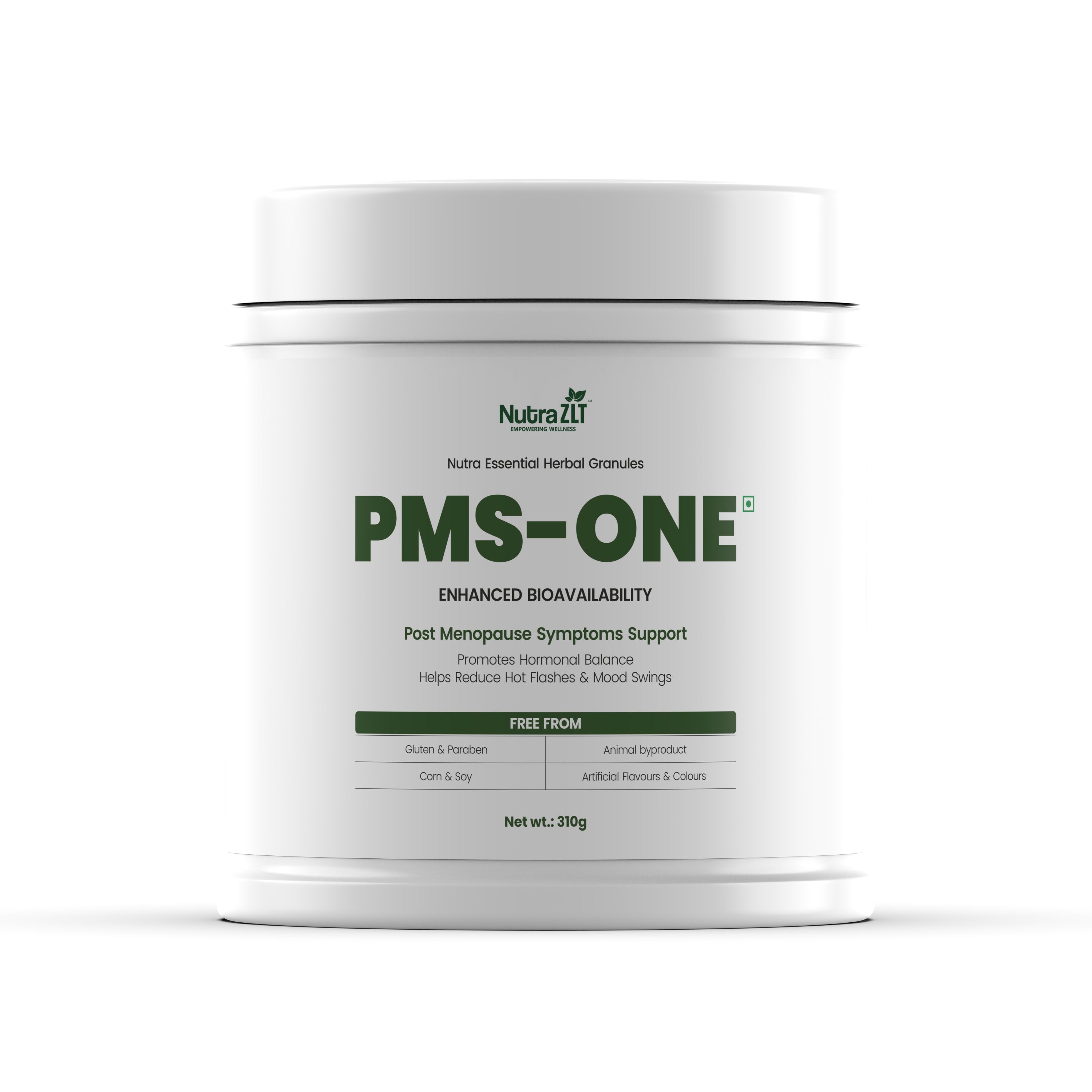
PMS- ONE is one of such formulations as it is a high-quality herbal supplement produced by PhytoEarth that helps women overcome hormonal imbalances and manage their emotions. This formula is a mixture of Ayurvedic herbs that are carefully selected scientifically such as:
Shatavari (Asparagus racemosus) - aids in hormonal regulation and a positive mindset.
Ashwagandha (Withania somnifera) - may be taken to combat stress and stabilize emotions.
Mandookparni (Brahmi) - the one that calms down and enhances concentration.
Nirgundi (Vitex negundo) - stimulates the estrogens.
Lodh and Mulethi - help to balance the hormones.
These herbs are synergistic in avoiding emotional volatility and stimulating a balanced cycle at the PMS stage. As opposed to isolated supplements, herbal blends respect the interrelationship that exists among body systems.
Besides having a healthy diet, herbal support, day-to-day lifestyle is also very significant in the management of PMS in a natural way:
Moving softly: walking, yoga, stretching, etc., can make you feel better and improve your mood. Endorphins are released due to exercise and this will naturally override pain and stress.
At night, the body then initiates the process of balancing hormones by rest. Goal: seven or eight hours in bed. Before sleep - a peaceful time, such as drinking a chamomile or warm milk, can often put the sleepless into deep sleep.
Yoga, pranayama (breathing exercises) and meditation of Ayurveda. The nervous system reactions can be adjusted such exercises as Nadi Shodhana or merely mindful breathing can reduce the anxiety and emotional storm.
Sleeping, moving and reducing stress is not a luxury, it is one of the basics to natural hormonal health.
The Ayurvedic traditions have special methods of helping your cycle:
A light massage with warm sesame or coconut oil can soothe out the muscles and relax the nervous system as well as encourage circulation- particularly when lower abdominal pains are experienced.
When life feels heavy, certain plants step in quietly. One helps your body push back against tension, another steadies emotions without drawing attention. Hormonal shifts during PMS often bring sharp moods - these herbs work behind the scenes to soften those edges. A root called ashwagandha adjusts how your body answers stress signals. Meanwhile, brahmi unfolds like a quiet moment, easing the mind while sharpening focus.
The integration of lifestyle habits and herbal assistance can form the strong strategy of the improved monthly cycles and wellbeing.
Whilst the majority of PMS cases progress as a natural occurrence, serious signs, including debilitating pain, extreme mood disorders, or abnormal bleeding, should be discussed with a doctor. The difference between PMS and such conditions as PMDD (Premenstrual Dysphoric Disorder) or disorders of hormonal imbalance that might demand specific attention can be established with the help of a gynecologist or a holistic health practitioner.
PhytoEarth is a company that concentrates on the total solutions based on traditional knowledge of botanical and current research of herbs. Women can get formulas that are designed to maintain hormonal balance, ease stress reactions, and alleviate physical pain using natural ingredients such as PMS One Nutra ZLT. When integrated with mindful nutrition, active lifestyle choices, and stress management, the result is a comprehensive strategy for how to manage PMS naturally that goes beyond temporary relief.
With fast solutions being commonly peddled in a world, you can arm yourself with nature-based solutions to reproductive health and emotional flexibility, in the long run.
Life with PMS doesn’t mean surviving just one fix. Through steady eating habits, plants like those in PhytoEarth routines, mindful motion, restful nights, while handling pressure smartly, females across India plus global regions often find deep relief - then start living more smoothly, body-wise.
When moods shift, cramps arrive, or bloating lingers before your cycle begins - alongside tiredness or restless thoughts - whole-body approaches may help. Blending time-tested traditions with today’s self-care ideas, they offer gentle support. Through understanding, steadiness, and inner resilience, relief becomes possible. Because old knowledge meets present awareness here, easing symptoms feels less like a fight. Instead, it unfolds through harmony.