Cart
0
You may also like



The indication that insulin resistance has become one of the most prevalent metabolic health complications in the world has taken a low profile. Some individuals carry it throughout their lives without even knowing it, and some others only find out about it once regular blood tests have been conducted or when such symptoms as fatigue, inability to lose weight, or increased blood sugar levels start to disrupt everyday life. Insulin resistance is becoming an even bigger concern in all age groups due to the rising level of sedentary lifestyles, processed foods, chronic stress and sleep deprivation.
The encouraging reality is that managing insulin resistance naturally is not only possible but highly effective for many individuals--especially when addressed early. DiabeSutra aims at restoring the insulin responsiveness of the body by using both lifestyle and dietary modifications instead of depending on drugs alone. This solution promotes long term health, lessens complications and provides individuals with the means to be an active participant in their health.
This step-by-step guide is a straightforward explanation of the phenomenon of insulin resistance in simple language and the implementation of practical, long-term, and scientifically-supported measures to help deal with insulin resistance without the use of drugs. It is not to find quick solutions but permanent changes that will help to maintain metabolic balance and health.
The first thing to know about insulin resistance is to understand the role of insulin. This hormone is produced by the pancreas and this is a critical hormone in ensuring the level of sugar in your blood does not rise. When you consume carbs, the carbs become glucose which is absorbed into the blood. Signals that are transmitted by insulin instruct cells to absorb that glucose - either using it up or storing it.
This process goes on well when the metabolism is normal. However, when the cells in the body, particularly the muscle, liver and fat cells stop responding well to the signals of insulin, then it is termed as insulin resistance. As a result, glucose fails to enter the cells but instead it remains within the blood stream. The pancreas reacts by secretion of increased insulin thus leading to a high insulin level.
The cycle will lead to the strain in the pancreas and destabilization of the normal metabolic balance in the long-term. The regular insulin and glucose levels can eventually lead to prediabetes, diabetes type 2 and other metabolic ailments.
Basically, insulin resistance implies that the body is producing its own insulin but is not making good use of it.
Resistance to insulin does not just come up overnight. It is typically acquired over time as a result of a conglomeration of lifestyle, genetic and environmental influences. Examples include:
Physical inactivity and lack of exercise.
Long-term psychological pressure.
Poor sleep loss or sleep deprivation.
Hormonal changes Genetic predisposition
Knowledge of these factors can be used to understand why insulin resistance cannot be successfully managed using a single intervention but holistic approach.
Among insulin resistance issues, there is the fact that insulin resistance happens to remain unnoticed. With the sensation of feeling unwell in general, most individuals are unaware of the cause of this. Common early signs include:
Constant fatigue particularly following meals.
Problem in losing weight despite dieting.
Greater deposition of fat around the abdomen.
Regular hunger or desire to consume sweet food.
Dark areas of the skin around the neck or armpits.
It is important to note these symptoms early on since insulin resistance is reversible most at its inception.
Managing insulin resistance naturally is important because insulin affects far more than just blood sugar levels.Insulin has a number of effects on the organism and their resistance to insulin can have far-reaching consequences. Un-attended resistance to insulin can result in:
Type 2 diabetes
Cardiovascular disease
Fatty liver disease
Hormonal imbalances
Chronic inflammation
Polycystic ovary syndrome (PCOS).
Too much old age and loss of vitality.
The goal of natural management measures is to recover insulin sensitivity, decrease metabolic stress, and promote overall health without using chemotherapy as the only activity.
Naturally, insulin resistance would be very difficult to cope with without consistency, patience, and a set of lifestyle practices. No change is done in isolation. Instead, the enhancement is achieved by aligning the everyday habits with the metabolism demand of the body.
While whole foods form the foundation of insulin sensitivity, some individuals choose to support their nutritional efforts with herbal formulations like DiabeSutra, especially when maintaining consistent dietary patterns becomes challenging.
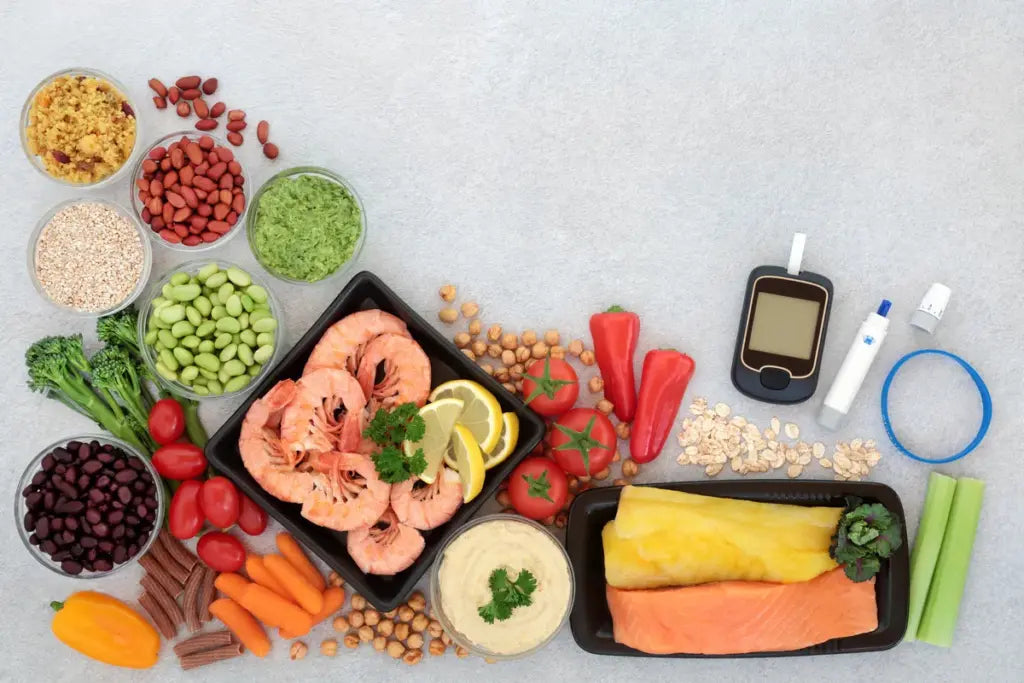
Foods that raise blood sugar slowly tend to need less insulin. Examples are:
Non-starchy vegetables
Whole grains in moderation
Legumes and lentils
Nuts and seeds
Substituting processed carbohydrates with whole grains help to maintain a normal level of glucose.
Fiber decreases the speed of digestion and the uptake of glucose, which prevents the fast increase of blood sugar levels. Diets rich in fiber are always related to increased insulin sensitivity. Sources include:
Vegetables
Fruits with skin
Whole grains
Seeds and legumes
The fullness lasts longer when protein is combined with good fats. These two reduce the speed of the breakdown of the carbs. All meals are better served with them indoors. The balance in metabolism is given a push whenever they appear on the plate.
High consumption of sugars ensures that the insulin signals are on the alert at any time. Reducing the consumption of sweetened drinks, sweetened desserts, due to their heavy burden, aids in relieving that stress. When such foods cease to be part of our daily routine, the body tends to establish itself with more evident balance.
One of the best natural processes of enhancing insulin sensitivity is exercise. By the virtue of muscle contractions, glucose gets into circulation and does not need the help of insulin to reduce the amount of sugar in the blood.
Brisk walking
Strength training
Bodyweight exercises
Yoga and stretching
Moderate exercising which is performed regularly can significantly increase insulin sensitivity. You do not need any vigorous exercises but rather be not so intensive in exercises but move on a regular basis
Some people find success splitting weekly movement across several days. About two and a half hours of steady activity works well when spread out. Breaking it down helps most people stick with it over time.
The prolonged stress increases the levels of cortisol which is a hormone that increases blood sugar levels and disrupts insulin activities. Even healthy diets cannot mitigate insulin resistance because long-term stress may exacerbate it.
The stress management skills involve:
Deep breathing exercises
Mindfulness or meditation
Gentle yoga
Time management, relaxation.
Sleep is an important metabolic element. Sleep deprivation interferes with glycemic metabolism and elevates appetite hormones and insulin resistance is aggravated.
To support insulin health:
Move to maintain a regular sleeping schedule.
Avoid eating heavy meals towards the end of the day.
Reduce the usage of the screen at the end of the day.
Goal 7-9 hours of healthy sleep.
Sleeping alone is quite useful in stimulating insulin sensitivity.
Some of the nutrients and herbs are traditional and are researched on their metabolic health. These natural aids are to supplement rather than substitute lifestyle changes and medical care.
Common examples include:
Amla
Fenugreek
Flaxseed
Khadira
Jamun
Coriander
Plant compounds that are antioxidants.
These herbs are often combined thoughtfully in comprehensive formulations. DiabeSutra brings together multiple traditionally used ingredients in a single blend, making it easier for individuals to include plant-based support as part of their daily routine—alongside balanced nutrition and regular activity.
A high concentration of fat in the body especially in the abdomen is a strong indication of insulin resistance. Small weight loss would make significant changes.
Balanced meals
Regular physical activity
Avoiding crash diets
Consistent eating patterns
Your habits should be habits that you can sustain to achieve long term success.
Yes. Natural management interventions are inclined to be combined with medical intervention. Lifestyle modifications can also be effective in increasing the efficacy of the drug and can reduce the dependency in the long-run that is under medical management. In such cases, herbal supplements like DiabeSutra are often used alongside prescribed treatment plans, under professional guidance, to support metabolic balance without interfering with ongoing medical care.
The schedule of improvement depends on personal health condition and regularity. Many people notice:
Feeling better with increased energy in weeks.
Improved blood sugar indicators in 8-12 weeks.
Persistent metabolic benefits after a number of months.
In the treatment of insulin resistance, the following are some of the pitfalls to be avoided:
Demanding quick gains.
The use of supplements only.
Skipping meals excessively
Ignoring sleep and stress
Eating too restrictive diets.
Moderate changes are the ones that will work better than radical ones.
In the treatment of insulin resistance, the following are some of the pitfalls to be avoided:
Glucose levels keep getting elevated.
Symptoms worsen
You are pregnant or you are going to be pregnant.
You possess some pre-existing metabolic conditions.
Timely intervention yields better results.
In most instances, insulin resistance may be greatly benefited or reversed with regular lifestyle modifications especially when detected in the early stages.
Wrong. Though insulin resistance can lead to diabetes if left unchecked, it isn’t the same thing. A body struggling to respond to insulin doesn’t mean diabetes has taken hold - just that risk rises over time without shifts in pattern
Foods packed with fiber, a bit of protein, good fats, along with carbs that don’t spike blood sugar - these can boost how well your body uses insulin. Though they lack heavy protein, their mix supports steady responses in metabolism. Instead of quick energy bursts, they deliver slow, even fuel. Because of this balance, cells react more reliably over time. While not flashy, their effect builds quietly through consistent patterns.
Some of them can be useful, yet the safety is determined by personal health conditions. It is advised to guide the professionals.
The treatment of insulin resistance is a long-term undertaking and not a short-term solution. It is possible to restore insulin sensitivity and maintain long-term health focusing on balanced nutrition, physical activity, reduction of stress, proper sleep and informed natural assistance.
For those seeking additional plant-based support, formulations such as DiabeSutra can be considered as part of a comprehensive, natural approach—always combined with mindful eating, regular movement, quality sleep, and professional advice.