Cart
0
You may also like


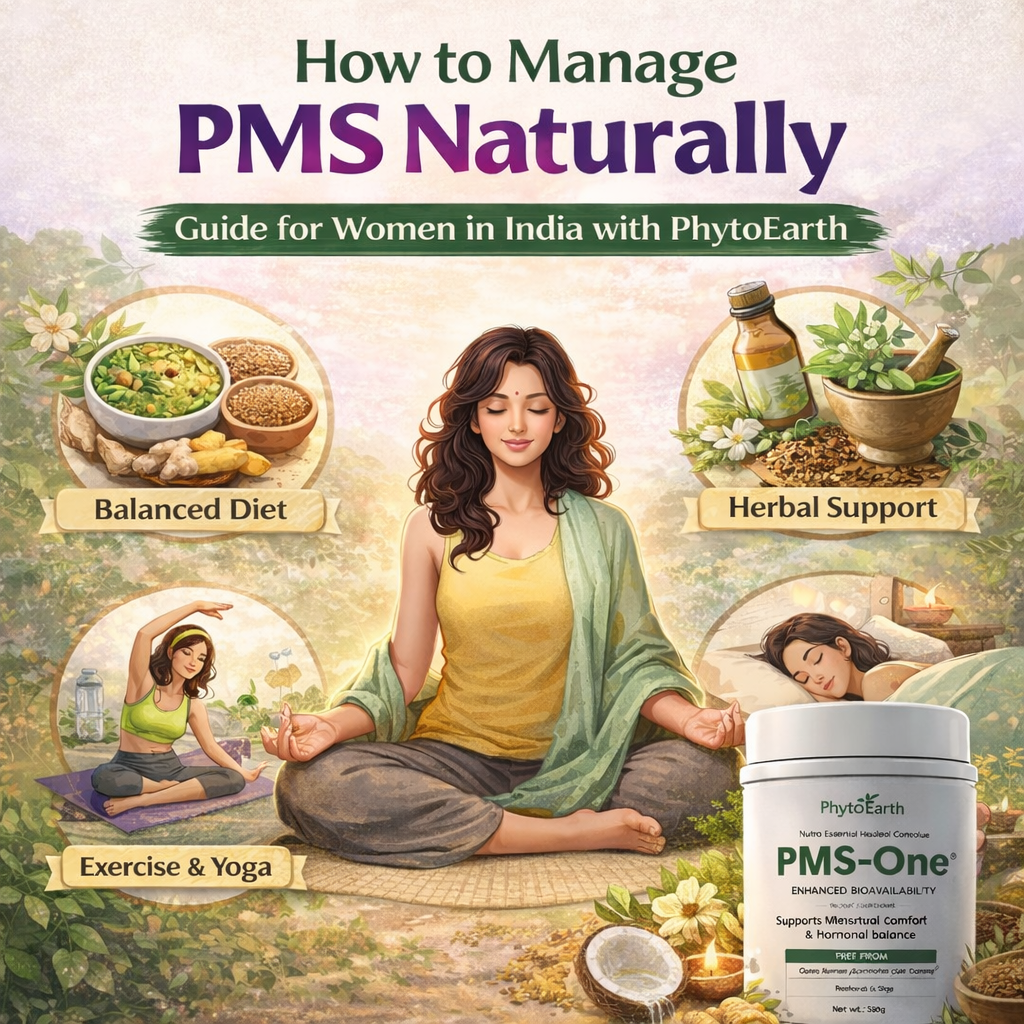
A lot of women experience some sort of physical pain, mood swings, sleep problems, or exhaustion for 2-14 days before the start of each new month. This is part of the premenstrual phase, and depending on how much discomfort they have those few weeks, that may affect their level of activities, productivity, and emotional stability each day. It is due to this reason that there are a significant number of individuals seeking to know how they can deal with PMS without using medication but through safe lifestyle changes.
The positive aspect is that a number of evidence-based natural remedies may be used to assist in hormonal balance, bloating, cramps, and mood stabilization. Simple changes in nutrition, physical activity, sleeping, hydration, and herbal wellness can be detected to create a significant difference between different cycles.
This guide gives an explanation of how to manage PMS naturally at home in simple and practical ways that can be easily applied in our day to day lives.
In most cases, premenstrual symptom development will start 5-10 days before the onset of menstruation. All of these symptoms are primarily caused by the normal biological changes that occur in hormone levels occurring during the latter half of the menstrual cycle.
At this stage, the alteration of estrogen and progesterone can affect:
mood regulation chemicals
sleep quality
digestion
energy levels
appetite patterns
stress response
Symptoms can be increased by lifestyle factors like inconsistent sleep schedule, deficiency of nutrients, excessive stress, lack of hydration, and sedentary lifestyles. The natural and effective way to learn how to manage PMS naturally is to know these triggers first.
Symptoms will be different in different individuals and they can involve both physical and emotional modifications.
Physical changes can comprise:
abdominal discomfort
bloating
breast sensitivity
headaches
fatigue
acne flare-ups
The emotional changes can be:
mood swings
irritability
low motivation
anxious feelings
difficulty concentrating
The identification of early symptoms assists women in preventing actions and using natural solutions earlier.
The strategies that are highly suggested in holistic wellness practices and lifestyle-based menstrual care practices are as follows. Such methods assist the body to maintain its natural pace and it is safe to alleviate pain.
Magnesium helps relax both your muscles as well as balance out your nervous system. To answer your question of how to manage PMS naturally at home, you can include a variety of foods that are high in magnesium into your diet.
The beneficial food items are:
spinach
pumpkin seeds
almonds
bananas
whole grains
The intake of magnesium can assist in relaxation, bettering the quality of sleep, and alleviating muscle tension preceding times.
Vitamin B6 aids in the body in regulating mood and energy metabolism.
Natural sources include:
chickpeas
potatoes
sunflower seeds
bananas
Consuming these foods from time to time in the premenstrual period helps in emotional stability and decreases fatigue.
Hot herbal teas are common in folk medicine in menstrual comfort.
Helpful options include:
ginger tea to relax the stomach.
chamomile tea to aid in sleep.
fennel tea to balance the digestion.
These milder solutions are often prescribed as you visit the natural remedies for PMS symptoms.
Physical activity improves blood flow and increases natural mood-inducing substances within the body.
Simple exercises include:
walking
stretching
cycling
gentle yoga
Although it might be only 20 minutes of physical activity a day, it can help to decrease fatigue and enhance emotional balance. Exercise is among the surest measures to people who are seeking how to reduce PMS symptoms naturally.
Some yoga postures will assist in the relaxation of the pelvic area and the circulation.
Helpful poses include:
child’s pose
cat–cow stretch
cobra stretch
Being able to practice these regularly can lead to a better flexibility and relieve premenstrual pain.
The hormone regulation is central to sleep. Insomnia can enhance irritability, headaches, and lack of energy.
Beneficial sleeping practices involve:
maintaining consistent bedtime
limited screen time at bedtime.
consumption of hot herbal drinks.
practicing breathing exercises
The promotion of healthy sleep is also a significant aspect of learning how to manage PMS naturally without medication.
Some nutrition patterns can make people bloat and become emotional beforehand.
Try reducing:
processed snacks
sugary drinks
strong caffeinated beverages
high sodium packaged foods.
These should be replaced with whole foods to facilitate ease of hormonal transition.
Fluids are significant in facilitating digestion and blood flow.
It is helped by drinking sufficient water:
reduce bloating
support energy levels
maintain digestion comfort
improve skin balance
Improvement is simply achieved by a majority of women who increase the level of hydration in the second half of the cycle.
It is possible that stress can affect hormonal balance and emotional stability in advance.
Helpful techniques include:
breathing exercises
meditation
mindful walking
relaxation routines
Even 10 minutes a day practice helps prevent emotional discomfort and emotional resilience. The most effective solution to the question of how to control PMS symptoms naturally.
For centuries women's reproductive health has been addressed using traditional herbs. Certain plant-derived compounds form a significant aspect of wellness programs designed to promote comfort during menstruation and stabilize emotions.
Examples include:
ashwagandha
shatavari
brahmi
nirgundi
These ingredients are carefully mixed in modern herbal wellness formulations. PhytoEarth has products like PMS One which are recommended to be used with nutrition, movement, hydration, and stress-management practices to ensure natural cycle comfort as part of a balanced lifestyle.
A lot of common cooking foods already contribute to hormonal wellness.
Helpful foods include:
Palak
Favors the intake of minerals and relaxation of muscles.
Jeera Water
Helps digestion and relieves the bloating pain.
Haldi Milk
Historically to aid comfort and recovery.
Til Seeds
Support fats and calcium that are healthy.
Flaxseeds
Include omega-3 fatty acids which aid in emotional stability.
The inclusion of these will assist individuals investigating foods that help manage PMS naturally.
Symptom severity can be minimized by developing a short habit before the onset of menstruation.
Helpful weekly routine:
Day 1–2
hydrate and add green vegetables.
Day 3–4
reduce caffeine intake
Day 5
begin stretching or yoga.
Day 6
add herbal teas to her evening ritual.
Day 7
emphasize timely sleep.
This daily routine would always remind women of how to deal with PMS on a natural basis every month with easy habits.
Lifestyle changes are effective in most premenstrual symptoms. Nevertheless, professional advice is helpful in some cases.
Consider visiting a qualified healthcare practitioner when the symptoms involve:
unusually intense discomfort
severe emotional distress
impairment of everyday functions.
abnormal changes in cycle patterns.
Timely advice can be used to determine the most appropriate support method to use in dealing with individual needs.
Yes. The consistent practices that many women observe across cycles include:
balanced nutrition
regular movement
stress-management practices
improved hydration
sleep consistency
With such steps, coupled with positive herbal wellness programs like PMS One by PhytoEarth, they can potentially add to the level of monthly comfort with time as part of a larger lifestyle intervention.
The most important consideration when discussing how to manage PMS as an inherent long term process is consistency.
Around 7 to 10 days before your next period.
Foods that generally support you are leafy greens, bananas, flaxseed, whole grains, and herbal teas.
Light exercise aids circulation and emotional stability and is generally prescribed in natural menstrual health practices.
Regular sleep schedule, hydration and stress management have visible results on most women.
Wellness formula is a combination of plant-based wellness with nutrition and movement regimens as a complete package in a monthly comfort plan.
If you want to learn the process of how to manage PMS naturally then it does not involve complicated changes. Minor and daily changes in nutrition, sleep, hydration, stress, and daily exercise can help to ease the transition between the months and enhance general wellness.
Natural plant-based health assistance, healthy eating options, and conscious living practices are combined to reinforce the natural rhythms in the body. These easy tricks can make a lot of women feel more stable, more energetic, and emotionally balanced during their cycle, when adhered to regularly.